— Local rental system / 01
New York CityNY / USA
Temporary Flagpole Rentals in New York City.
Architectural height without permanent construction or long commitments. Adapted to New York City site conditions and operating constraints.
Add architectural height without treating a temporary installation like a permanent foundation.
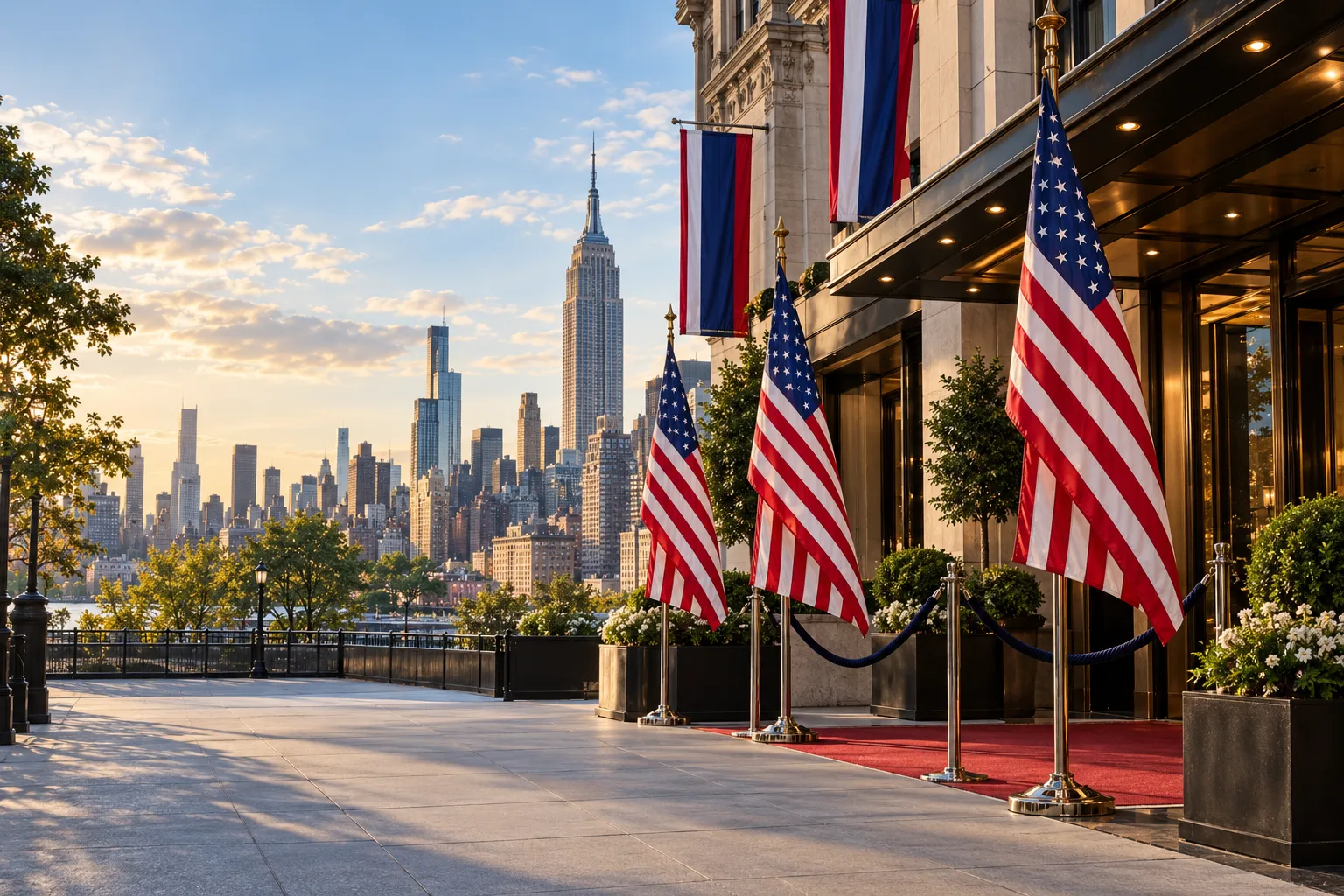
Dense streets, tall-building wind channels, waterfront exposure, and limited staging space make compact footprints and controlled placement essential.
A practical New York City specification
| Display objective | Add architectural height without treating a temporary installation like a permanent foundation. |
|---|---|
| Placement logic | Choose positions with open sightlines, controlled access, adequate ballast area, and a clear exclusion zone around moving fabric. |
| Local operating context | Loading windows, sidewalk clearance, property approval, and pedestrian flow usually determine the installation sequence. |
| Seasonal exposure | Plans need to handle humid summers, cold winters, coastal storms, and abrupt wind changes around towers and open waterfronts. |
| Pre-installation check | Review surface capacity, overhead clearance, underground restrictions, venue engineering requirements, and shutdown wind limits. |
| Hardware starting point | Weighted low-profile bases, tightly controlled flag heights, and indoor backup positions are often the practical starting point. |
What is included in planning
Planning basis: This guide applies publicly available regional weather context and site-planning principles; it does not claim completed work in New York City. Final hardware, permits, and placement require venue approval and a site assessment. Check current conditions with the National Weather Service and long-term context from NOAA U.S. Climate Normals.
Questions about Temporary Flagpole Rentals in New York City
Choose positions with open sightlines, controlled access, adequate ballast area, and a clear exclusion zone around moving fabric. In New York City, the plan must also account for this local context: Dense streets, tall-building wind channels, waterfront exposure, and limited staging space make compact footprints and controlled placement essential.
Weighted low-profile bases, tightly controlled flag heights, and indoor backup positions are often the practical starting point. Final selection depends on the exact surface, exposure, duration, and venue rules.
Send the address or venue, dates, operating hours, desired quantity, artwork status, installation surface, loading instructions, and the person authorized to approve placement.
— Other services / 03
Build the complete arrival.
Related rental systems available for the same New York City site plan.